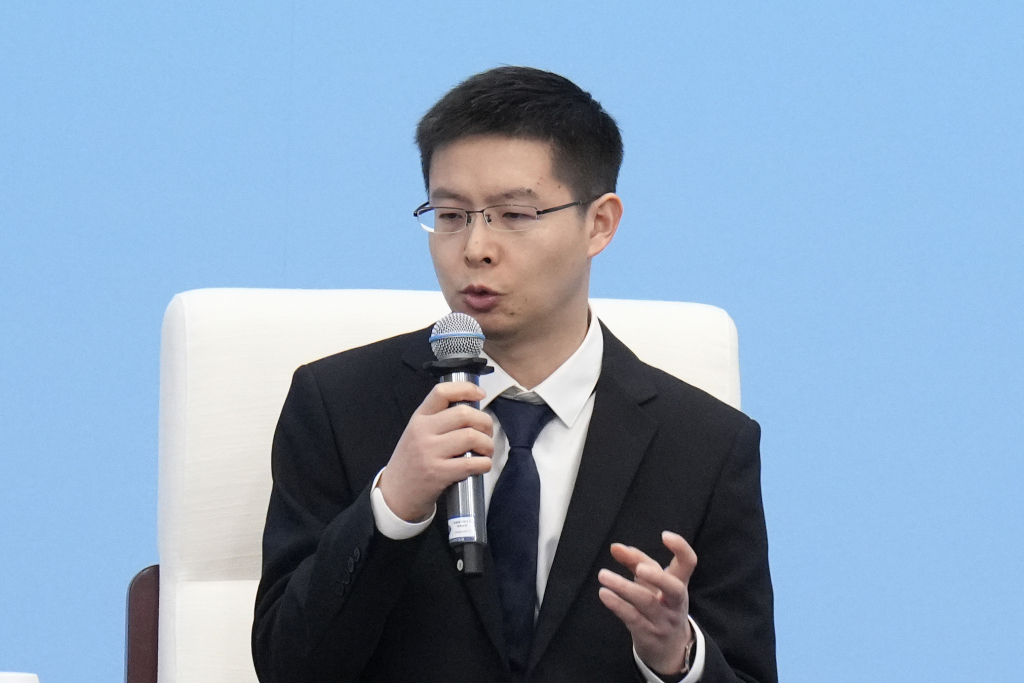
At the APEC CEO Summit in Shenzhen on November 17, 2026, Chinese business leaders described opportunities in AI, robotics and regional supply chains—but also questioned how quickly new technology could deliver commercial returns. The discussion was reported on November 18, 2026.
Baidu chief executive Robin Li said AI investment, computing costs and token use had risen rapidly, while adoption in practical applications remained below his expectations. Many companies using AI had not seen clear gains in revenue or profit, he said. Without suitable applications, he warned, AI could become a bubble. Xiaomi founder Lei Jun likewise said few companies had established a profitable business model around AI despite heavy spending.
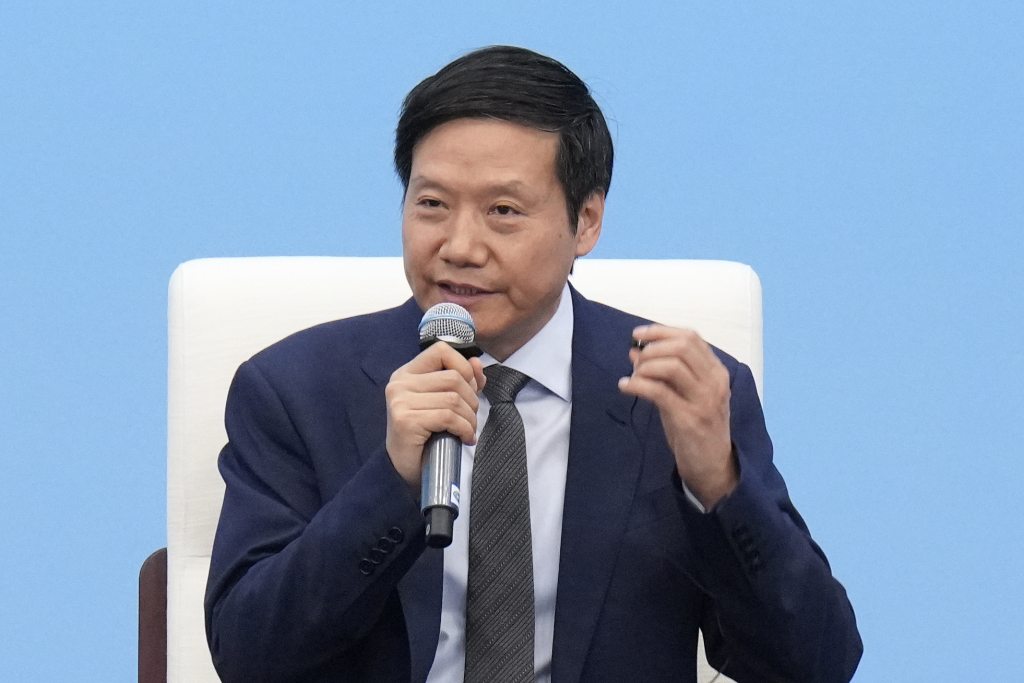
Unitree Robotics founder Wang Xingxing was more optimistic about the technology’s direction, but pointed to hurdles in bringing robots to market at scale. Robots still struggle to adapt to new settings without retraining, he said. If demand eventually jumped from tens of thousands of units a year to millions or tens of millions, manufacturing, reliability and after-sales service would all face major tests. Those volumes were a hypothetical scenario, not a production forecast.
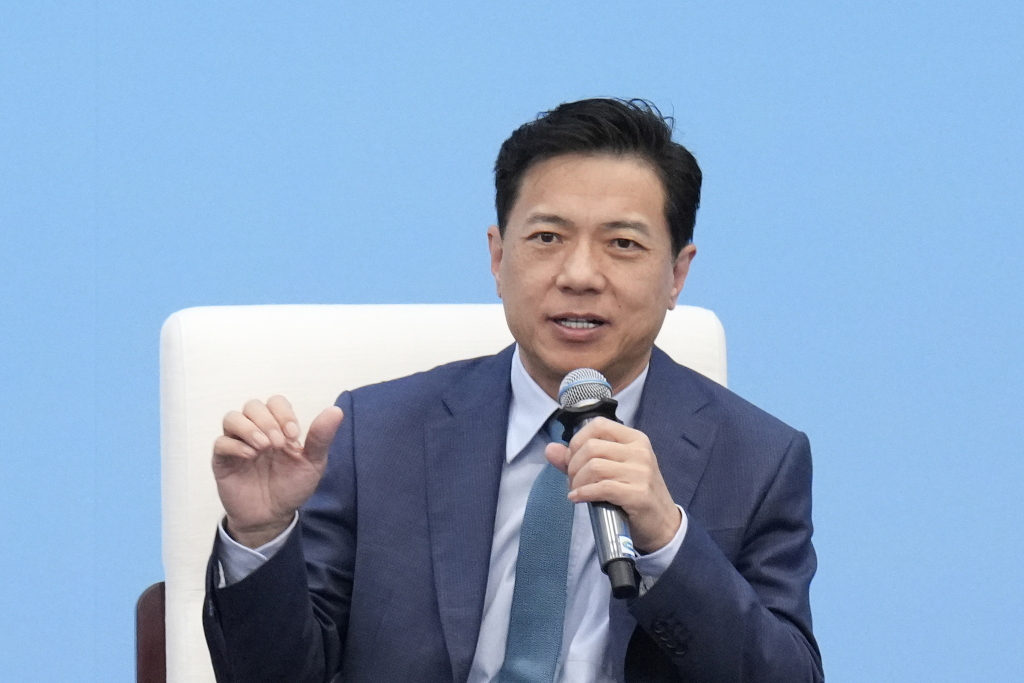
Executives also offered examples of technology already in use. TCL founder Li Dongsheng said introducing AI and large models into its display-manufacturing operations had generated about 2.5 billion yuan in benefits over the preceding three years. Lei said Xiaomi’s embodied-AI robot had recently worked an eight-hour shift in a factory, recharging itself twice.
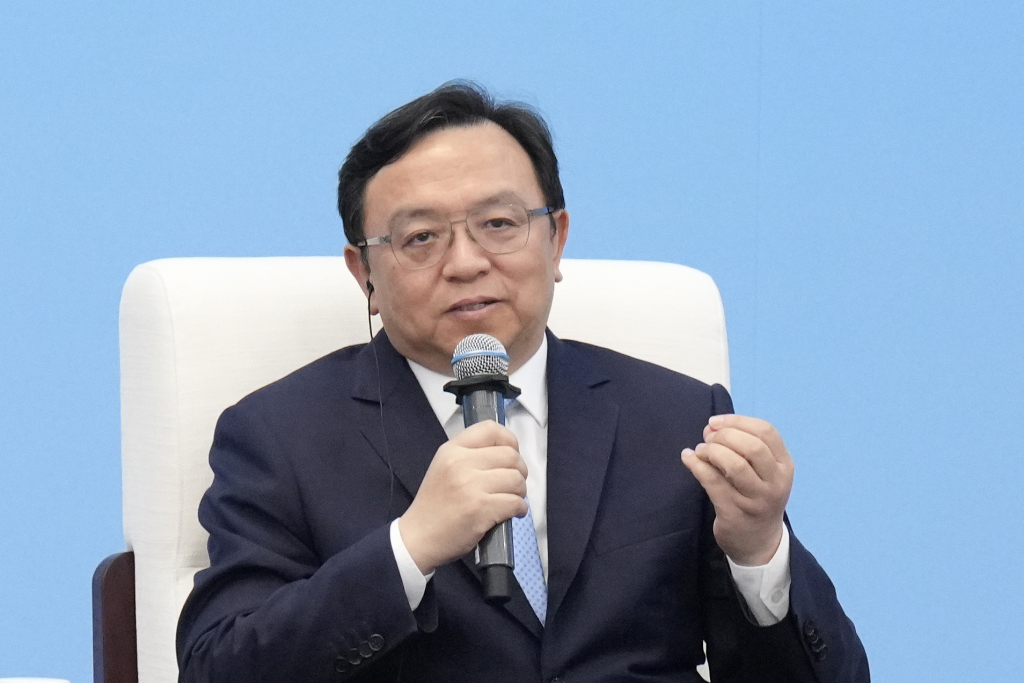
On regional trade, BYD chairman Wang Chuanfu argued that Chinese electric-vehicle companies could complement local industries rather than displace them. He cited China’s purchases of copper and lithium from Chile alongside BYD’s provision of electric buses there. Lei said products such as Xiaomi cars and phones depend on thousands of components supplied through international cooperation.
The executives’ accounts illustrated both sides of the summit’s business debate: potential gains from new technology and cross-border production, and the unresolved challenge of turning ambitious AI and robotics projects into sustainable businesses.