Major US pizza chains are facing pressure from budget-conscious customers, wider delivery choices and changing eating habits. GLP-1 medications may be one factor, but the industry’s difficulties extend beyond them.
The number of US pizza restaurants peaked at 83,035 in August 2019. By July 2026, more than 9,600 pizzerias had closed, according to Datassential data cited in a November 22, 2026 report. Technomic data showed that US pizza restaurant sales fell 0.3% in 2025, including a 0.4% decline at independent restaurants and a 0.3% decline at chains. Chains accounted for about two-thirds of the category’s domestic sales.
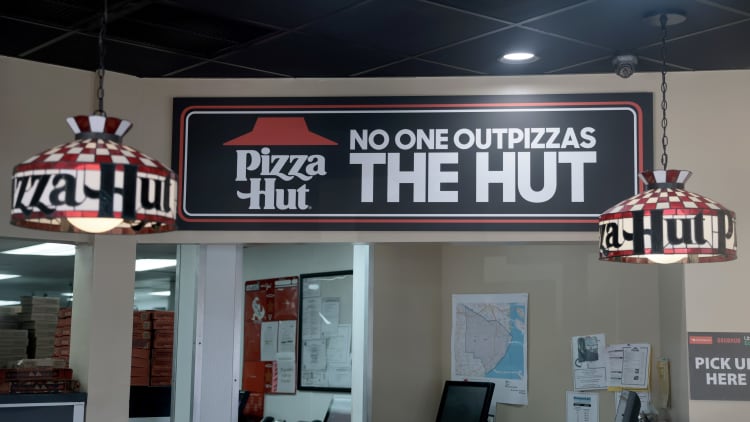
Results varied among the largest operators. Papa Johns reported a 2.5% decline in North American same-store sales in 2025, while Pizza Hut’s US same-store sales fell 5%. Domino’s reported 3% growth at its US restaurants.
Pizza chains now compete with a broader range of restaurants on third-party delivery platforms. Price is another consideration: the average large cheese pizza costs almost $17, according to PMQ Pizza’s 2026 Pizza Power Report. Frozen pizza and convenience-store offerings give customers other options.
There is evidence that GLP-1 use affects some customers’ spending. A 2026 PwC survey found that spending at pizza quick-service restaurants fell 22.2% per GLP-1 household after six to eight months of medication use. That finding does not establish how much of the industry-wide decline the drugs explain.
David Portalatin, a food-service industry advisor at Circana, said total pizza servings were down only about 1% in 2026. Chains have responded with new products and operational changes: Domino’s launched a customizable personal pizza in August, and Papa Johns announced a turnaround plan in November focused on food consistency and restaurant operations.