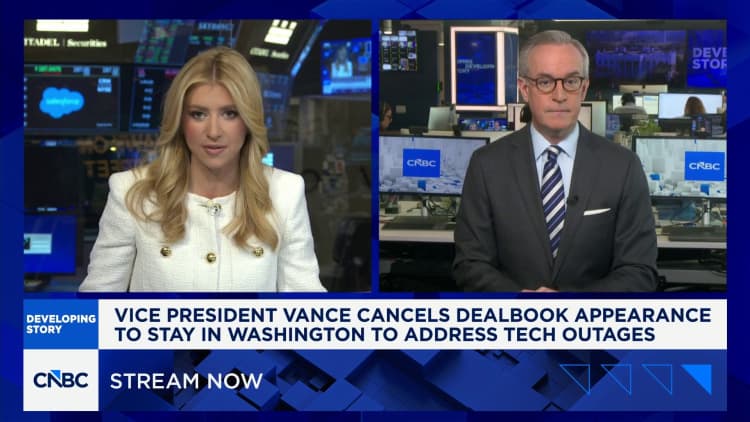
As reported on November 19, 2026, recent disruptions to banking and payment services had prompted some U.S. financial advisors to recommend keeping physical cash as a backup—not abandoning digital payments.
JPMorgan Chase reported a technical issue earlier that week that disrupted some consumer banking services, with effects extending to other major U.S. banks and Zelle. A separate outage the following day temporarily affected Apple Pay and iCloud. The incidents followed unrelated problems involving Microsoft Outlook and communications systems used by air traffic control centers.
David La Placa, CEO of Intellectus Partners, called keeping some cash at home a matter of “preparedness, not panic.” He also recommended access to a second financial institution and a backup credit card from a different issuer. Seth Fierston, co-president of Fierston Financial Group, said multiple accounts and ways to move money could help reduce technology risk.
The advisors differed on how much cash to hold. Tim Lootens of Chilton Capital Management said he usually recommends three days’ worth of average cash spending, but the recent disruptions made him consider five to seven days. Brian Vendig of MJP Wealth Advisors suggested enough for one to two weeks of essential expenses, depending on household needs. These were their recommendations, not evidence that a payment outage would last that long.
Cash has become less common in everyday transactions. In a Pew Research Center survey of nearly 10,000 U.S. adults conducted between May and June, about 46% said they carried cash always or most of the time. About 42% said they made no cash purchases in a typical week, up from 24% in 2015.
Craig Timm of anti-financial-crime group ACAMS warned that criminals could exploit confusion over the outages by sending urgent messages about account access. He advised consumers not to click links in unexpected bank messages or share passwords or PINs, and to contact banks through official channels.