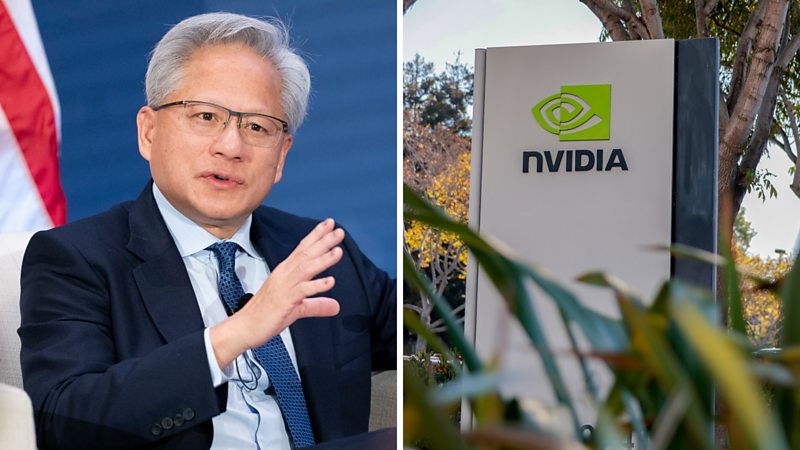
Nvidia shares fell almost 8% in volatile trading on November 24, 2026, a day after the board reinstated co-founder Jensen Huang as chief executive. The stock remained well above its November 20 close, before news of Huang’s return. US lawmakers questioned President Donald Trump’s claim that he had persuaded Nvidia’s directors to bring Huang back.
The decline extended beyond Nvidia. Rival chipmaker AMD fell more than 10%, while Broadcom and Marvell Technology also traded lower. Investors were weighing the prospect of regulation by newly elected Democrats and whether heavy spending on artificial intelligence would pay off. Nvidia shares were down almost 30% over six months, a slide that began before the controversy over Huang’s conduct emerged in November.
Nvidia’s board reversed its decision less than two weeks after Huang, 63, was forced to resign following disclosures of extramarital affairs. One involved Alice Huang, who is not related to him and is alleged to have spied for China. China has denied the spying allegations.
Board chairman Harvey Jones said reinstating Huang was in the “best interests of our stockholders, employees, partners and customers”. The board said it had received input from senior US government officials and was confident Huang’s return posed no national security risk. Trump told CNBC that directors had asked for assurances about that risk: “And we gave them assurances at least with everything we know.”
Jensen Huang was still scheduled to appear before Congress the week of November 30 to answer questions about the national security implications of his relationship with Alice Huang. The US Commerce Department said it was preparing to blacklist Megaspeed, the Singapore-based Nvidia customer where she was chief executive.