OKXICE began trading six tokenized U.S. stocks on Nov. 23, 2026, after most of the companies it initially approached objected to a listing. The venue, owned equally by New York Stock Exchange parent ICE and crypto exchange OKX, recorded $1.64 million in trades on its first day, according to blockchain data firm Allium.
Four stocks accounted for 99% of that volume: Circle, Strategy, Robinhood and Coinbase. A single wallet apparently tied to the venue’s liquidity provider generated 93% of the activity, making the opening figures a limited measure of demand from other traders. BitGo and Securitize, which provides the tokenization service, rounded out the launch roster.
How issuers can block a listing
A five-year conditional order issued by the Securities and Exchange Commission on Sept. 17, 2026, allows eligible venues to trade tokenized U.S.-listed stocks through permissioned, automated trading pools without registering as exchanges. Before a venue can list a third-party token representing a company’s shares, it must notify the company in writing. The company has 30 calendar days to object. A timely objection blocks trading; silence allows it to proceed.
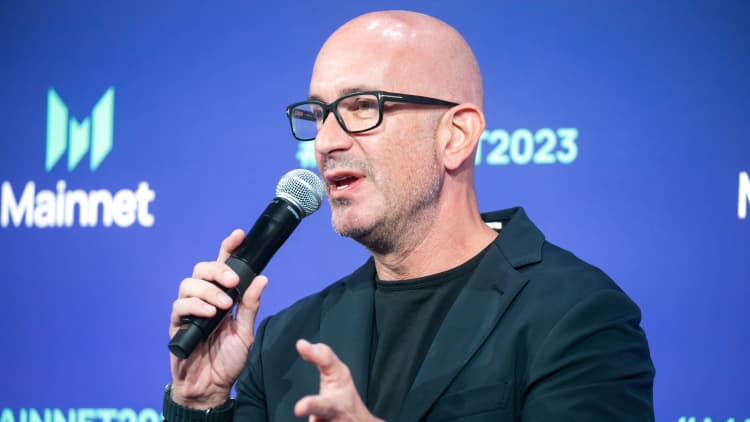
CNBC’s review of public notices filed from Oct. 4 through Nov. 5 found that 56 of the 62 companies OKXICE approached had objected. More objections followed before the launch, including some from companies outside the original roster. OKXICE co-chair Andrew Cuomo said rivals had encouraged companies to opt out and that many issuers wanted more time. Securitize CEO Carlos Domingo said some companies’ digital-asset executives did not know who within their organizations had objected.
OKXICE says it has confirmed 113 assets for a phased rollout. That figure includes funds and preferred shares, not just operating companies. Ledger Insights reported that the 107 assets yet to begin trading at launch included 59 exchange-traded funds from leveraged and inverse fund specialist Direxion.
The SEC order provides temporary relief into September 2031, not a permanent rule change or SEC approval of OKXICE. The venue is not SEC-registered or subject to Regulation NMS. The order also limits trading: at Tier 1, a venue can list up to 75 symbols and trade up to 0.25% of each stock’s average daily share volume. At Tier 2, the limits are 250 symbols and 2.5%. The securities industry group SIFMA told the SEC that because volume is aggregated only across affiliated venues, unrelated operators could each stay below the limit while collectively accounting for a larger share of trading.
What a token holder owns
Each OKXICE token is backed by one share held by a broker-dealer. The SEC order requires equivalent rights to dividends, votes and residual assets. But the token represents a security entitlement through Securitize Markets, not a newly issued share. According to Securitize’s disclosure, holders do not become registered shareholders of the underlying company unless they convert their tokens.
Buyers fund trades in advance with the USDC stablecoin and hold the tokens in their own wallets. Trading can continue around the clock, but each pool sets its price from the balance of assets it holds rather than from a live feed of stock-market prices. The interface displays the consolidated best quote for comparison; the trade still executes at the pool price, which the venue warns can diverge from the underlying stock’s price, particularly outside regular hours or when liquidity is thin.
The venue’s disclosure also warns that recordkeeping errors, a failure to segregate the underlying shares or an intermediary’s insolvency could delay or impair access to the assets. It describes Securities Investor Protection Corporation coverage for a token in a self-custodied wallet as “uncertain.”
Trading costs 30 basis points, or $30 on a $10,000 transaction before spreads and slippage. Liquidity providers receive 20 basis points and OKXICE receives 10. At opening-day volume, that works out to about $4,900 in total fees, of which about $1,640 went to the venue.
A different role for issuers
OKXICE is the first multi-stock U.S. tokenized-securities venue backed by a major exchange operator, but the first trade under the exemption took place on Nov. 4 on TSV LLC. In that case, Nasdaq-listed Canton Strategic Holdings chose to tokenize its own shares. Its transfer agent, Fairmint, maintains the official ownership record on the Canton Network. At OKXICE, by contrast, Securitize maintains a parallel record for tokens backed by existing shares.
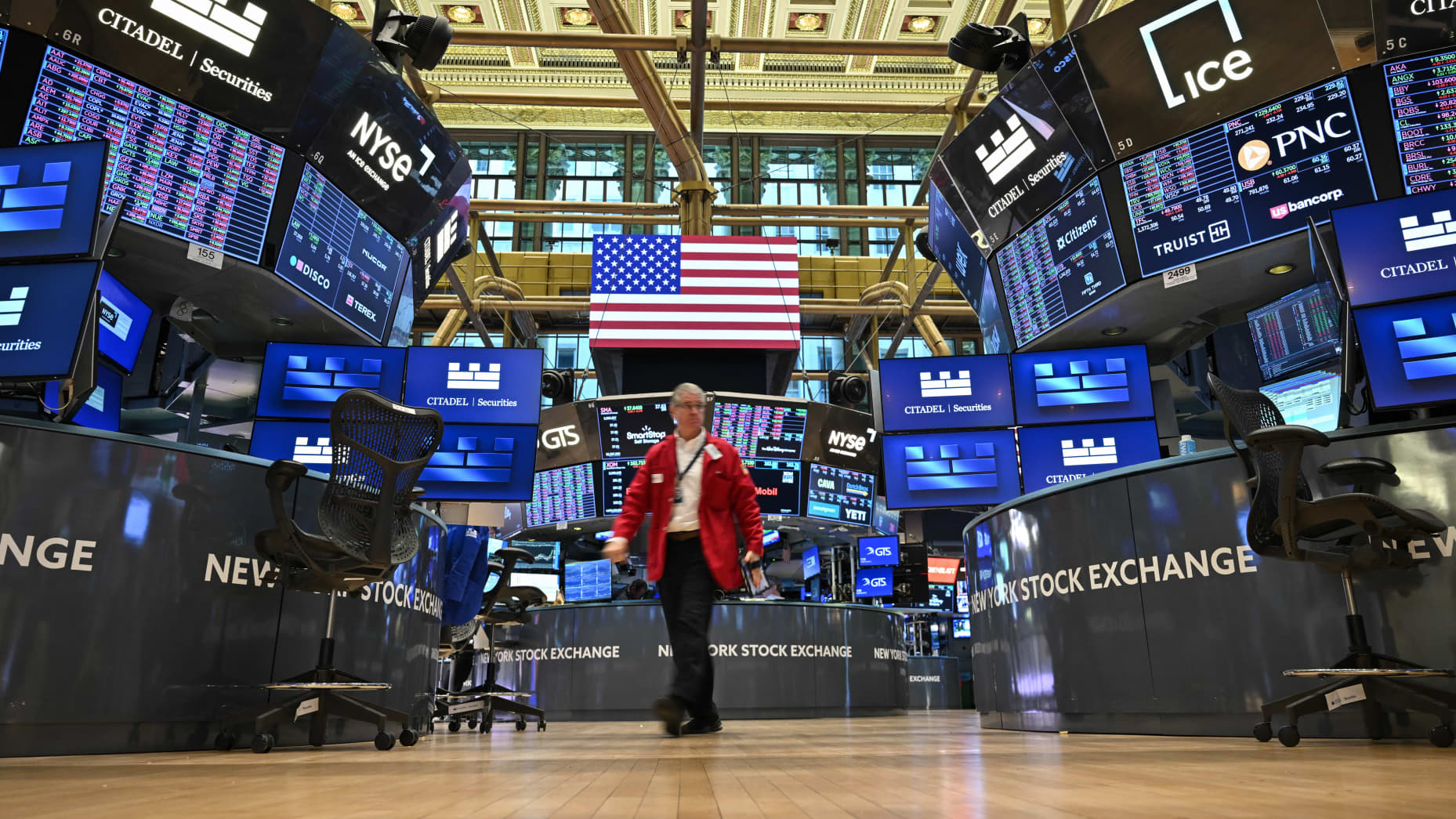
Nasdaq and Kraken parent Payward are developing an issuer-sponsored model, with a launch planned for the second quarter of 2027. For ICE, the stakes extend beyond its share of OKXICE’s fees. The company owns both an established stock exchange and half of a venue offering an alternative way to trade. In a quarterly filing, ICE said the exemption “could impact trading volumes on our securities exchanges.”